
Every Room Should Feel Right — Not Just the One by the Thermostat
One room freezes while another bakes. One corner of the house always smells stale. Your system is running, but the air isn't landing where it's supposed to.
Most homeowners assume the equipment is failing. More often, the problem is how air moves through the home — and that's something we can correct without replacing anything.
What Air Balancing Actually Fixes
Your HVAC system conditions air at one point and distributes it through a network of ducts, vents, and registers. When that distribution is uneven — because of duct design, damper positions, pressure differences, or blockages — some rooms get too much airflow and others get too little.
Air balancing is the process of measuring and adjusting that distribution so every room receives the right volume of conditioned air. It's a diagnostic and calibration service, not a replacement job.
Common signs your home needs air balancing:
- Certain rooms are consistently warmer or cooler than the rest of the house
- Upstairs and downstairs temperatures are noticeably different
- Rooms feel stuffy or humid even when the system is running
- You're constantly adjusting the thermostat without getting consistent results
- Some vents seem to push strong airflow while others barely move air
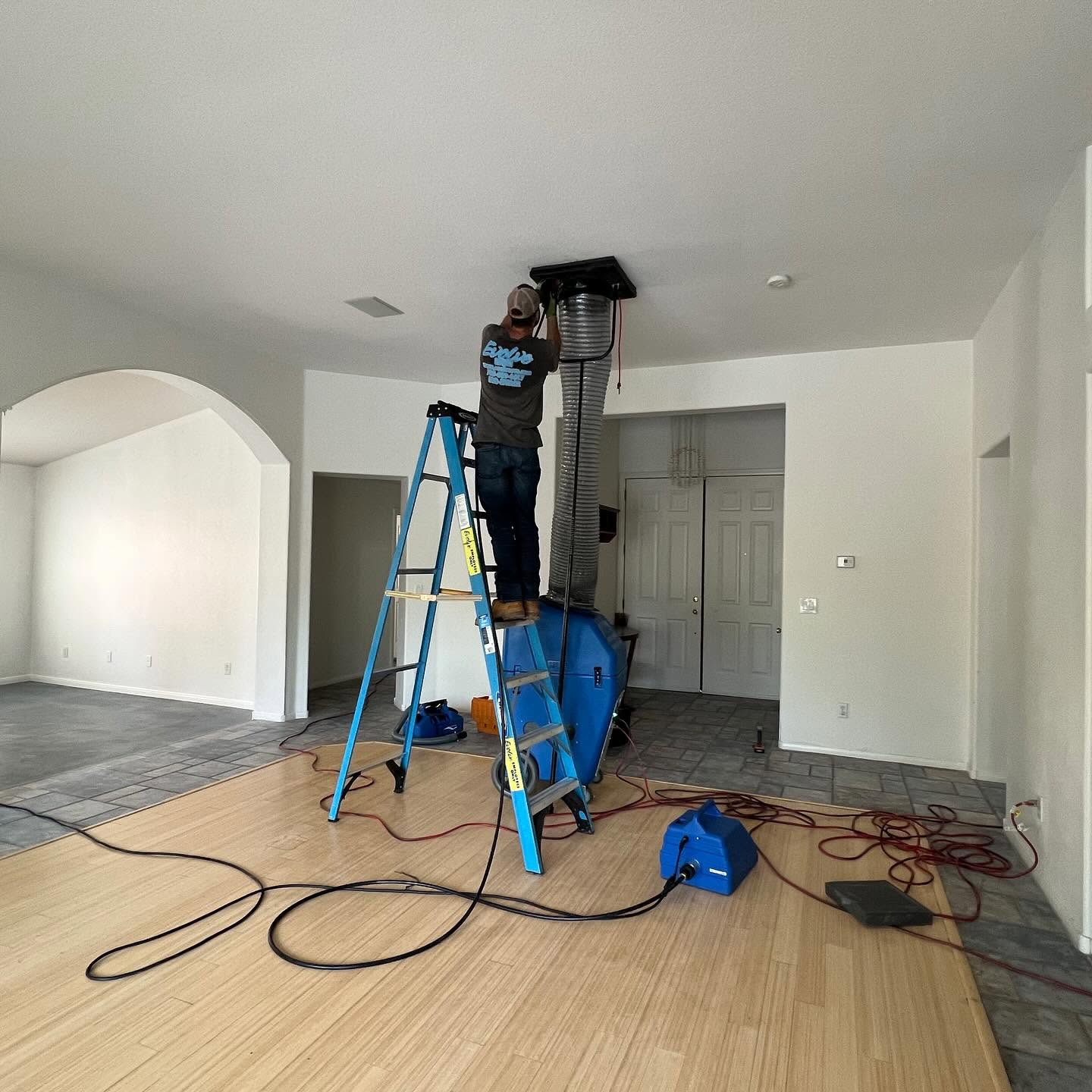
How We Diagnose and Correct Airflow Problems
We don't guess at airflow issues. We measure them.
Step 1: Whole-Home Assessment
Step 1: System Inspection
We walk the home and note which rooms are problematic, how the duct system is laid out, and where registers and dampers are positioned. This gives us the full picture before any adjustments are made.
Step 2: Airflow Measurement
Using calibrated testing equipment, we measure the actual airflow coming from each supply register and compare it against what each room requires based on its size and load.
Step 3: Pressure and Static Analysis
We check static pressure throughout the duct system to identify restrictions, leaks, or design issues that are limiting airflow to specific zones.
Step 4: Adjustment and Calibration
Based on what the measurements show, we adjust dampers, reposition registers, and make duct corrections as needed. In some cases, we'll identify a duct repair or sealing issue that's contributing to the imbalance.

When Duct Problems Are Part of the Picture
Air balancing and duct condition are closely related. A system that's losing conditioned air through leaks or gaps won't distribute evenly no matter how well the dampers are set. If our assessment turns up duct damage or significant leakage, we'll let you know what we found and what it would take to correct it.
We offer duct repair and sealing as a separate service, and we can often address both in the same visit.
Serving Henderson, Green Valley, Anthem, and the Surrounding Area
We work on all makes and systems throughout the south Las Vegas corridor — Henderson, Green Valley, Anthem, Southern Highlands, Mountain's Edge, and beyond. Whether your home is newer construction with a zoning issue or an older build with duct runs that were never quite right, we can assess it and correct it.

Frequently Asked Questions About Air Balancing
Will air balancing fix my hot and cold rooms permanently?
In most cases, yes. Once airflow is properly distributed and any contributing duct issues are addressed, rooms tend to stay consistent. If the imbalance returns, it usually points to a duct problem that needs repair rather than a repeat balancing issue.Do I need new equipment, or can air balancing solve this?
Equipment is rarely the cause of uneven room temperatures. If your system is cooling or heating the home overall but distributing unevenly, air balancing is almost always the right starting point — and far less expensive than replacement.How long does an air balancing service take?
Most residential air balancing visits take two to four hours depending on the size of the home and how many adjustments are needed. Homes with more complex duct layouts or significant pressure issues may take longer.Can air balancing help with indoor air quality?
Yes. Rooms with poor airflow tend to feel stuffy and can accumulate more dust and humidity. Correcting distribution improves circulation throughout the home, which supports better indoor air quality alongside any filtration or purification measures you already have in place.Is air balancing something I need to do regularly?
Not typically. Air balancing is usually a one-time correction rather than a recurring maintenance item. That said, if you make significant changes to your home — adding rooms, sealing the envelope, or replacing equipment — it's worth having the system re-evaluated.
Not Sure What's Causing the Problem? Let's Take a Look.
Uneven temperatures and stuffy rooms are frustrating, but they're usually fixable without major expense. We'll measure what's actually happening in your home and tell you honestly what it will take to correct it.