Jennifer Motti | Sep 07 2026 12:00
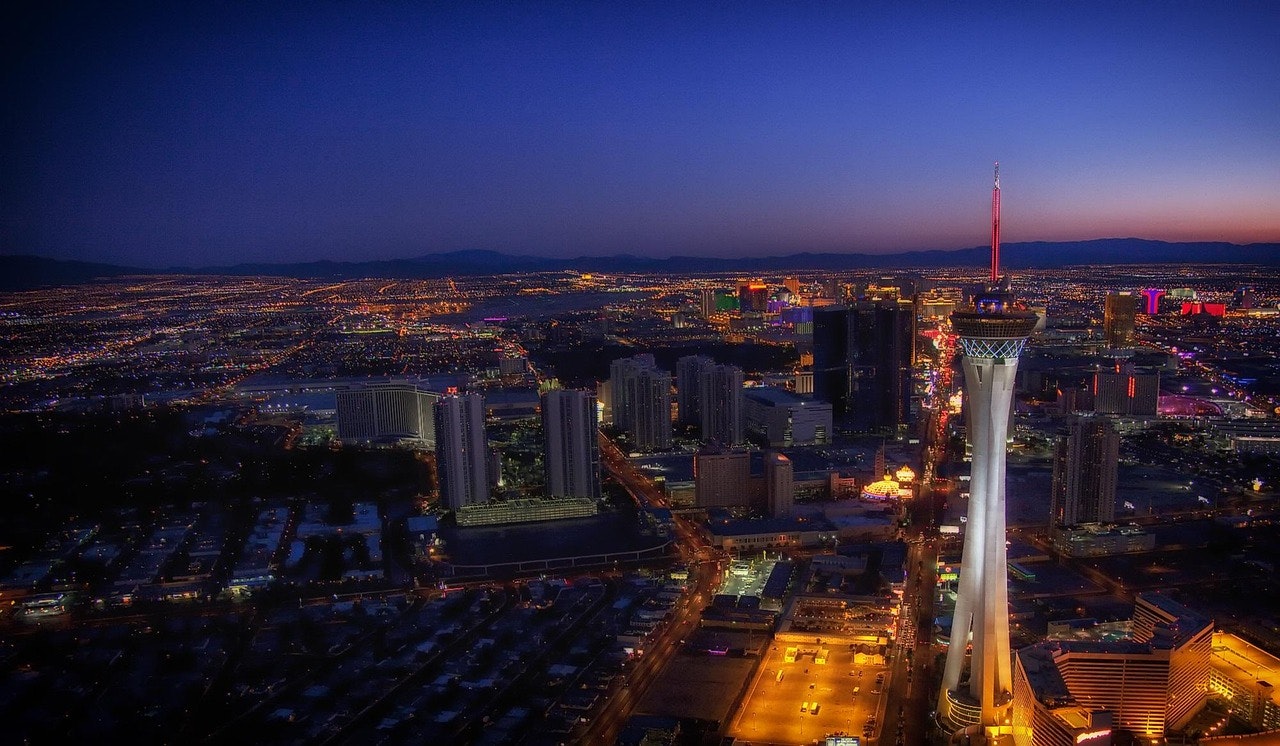
Las Vegas monsoon season brings sudden humidity spikes, lightning-driven power surges, and wind‑blown debris that strain AC systems already running nonstop since March. These storms create conditions your air conditioner wasn’t designed for—especially the dramatic moisture increases that reduce efficiency in systems built for dry desert air. A simple post‑storm check can prevent small problems from turning into midsummer emergencies. Evolve Air Conditioning, Heating & Plumbing serves Las Vegas, Henderson, and all of Southern Nevada with 24/7 support at 702‑825‑0006.
Below is a clear breakdown of how monsoon weather affects your AC system—and what homeowners in Las Vegas, Henderson, Green Valley, Anthem, Southern Highlands, Mountain’s Edge, and Pahrump can do to protect their equipment during the most volatile part of the summer.
How Monsoon Humidity Impacts AC Performance
Las Vegas is known for its dry climate, and local HVAC systems are specifically designed to handle hot, dry air—not the sudden humidity increases that come with monsoon storms. When humidity rises from the usual 10–20% to 40–60% or more, your AC has to work harder to remove moisture from the air before cooling it. This leads to:
- Longer cooling cycles
- Reduced efficiency
- Possible evaporator coil freezing
- Increased indoor humidity and discomfort
Homes in Henderson and Green Valley that run their AC nearly 24/7 feel these effects more intensely. If airflow is restricted or filters are dirty, moisture removal becomes even more difficult—making mid-season maintenance especially important.
Power Surge Risks from Monsoon Lightning
Summer thunderstorms bring frequent lightning strikes across Las Vegas, Mountain’s Edge, Anthem, and Southern Highlands. Even a nearby strike can cause electrical surges that damage sensitive AC components, including:
- Compressors
- Capacitors
- Contactor relays
- Circuit boards
A single surge can disable your system instantly. If your AC suddenly stops working after a storm—or begins clicking, humming, or struggling to start—surge damage is a likely cause.
Pro tip:
Whole‑home surge protection can significantly reduce the risk of catastrophic damage and is especially valuable during monsoon season.
Wind-Blown Debris and Outdoor Unit Damage
Monsoon winds can reach 40–60 mph or higher, sending dust, leaves, palm fronds, and debris into outdoor AC units. This can clog condenser coils or even bend fins, restricting airflow and reducing cooling capacity.
Hail, while less common, can strike outdoor units and damage fan blades or dent coil housings.
What you can safely check after a storm:
- Clear visible debris around the unit
- Check that the outdoor fan spins freely
- Look for bent fins, dents, or anything blocking airflow
- Replace an overly dirty filter inside the home
When to call a technician:
If the unit appears damaged, airflow is weak, or the AC won’t turn back on after a storm, professional service is needed. Evolve offers emergency service
for storm‑related failures.
Why August Is the Ideal Time for a Mid-Season AC Check
By August, Las Vegas AC systems have already endured months of continuous runtime, desert dust, and extreme temperatures. Monsoon season adds additional strain through humidity and electrical hazards. Even if everything seems fine, a mid-season check can catch:
- Weak capacitors stressed by heat
- Early refrigerant leaks caused by vibration
- Dirty condenser coils blocked by storm debris
- Blower motors working harder due to humidity
- Clogged drain lines from increased moisture
Preventive maintenance dramatically reduces mid‑August and September failures—prime months for emergency HVAC calls.
Learn more about tune‑ups and inspections on our AC Maintenance page
or explore coverage options on our Maintenance Plans page.
What You Can Safely Do vs. What Requires a Technician
Safe Homeowner Checks
- Replace or clean air filters
- Clear debris around the outdoor unit
- Close windows and doors during storms and humidity spikes
- Check thermostat settings and batteries
- Inspect outdoor unit for visible storm damage
Professional Repairs and Diagnostics
- Refrigerant leak detection and repair
- Electrical testing after power surges
- Capacitor or compressor replacement
- Deep coil cleaning
- Drain line clearing due to humidity
Evolve technicians are fully equipped to diagnose and repair storm‑related AC issues same‑day, ensuring your system stays reliable during the season’s most unpredictable weather.
Need Help After a Monsoon Storm?
Evolve Air Conditioning, Heating & Plumbing offers 24/7 live phone support at 702‑825‑0006 and serves Las Vegas, Henderson, Green Valley, Anthem, Southern Highlands, Mountain’s Edge, and Pahrump.
Call 702‑825‑0006 today to schedule your post‑monsoon AC inspection.