Jennifer Motti | Nov 18 2026 16:00
Rising utility costs can make it feel difficult to keep a home comfortable without overspending. Fortunately, improving energy efficiency does not always require a major renovation or an immediate equipment replacement.
Simple daily habits, routine maintenance, and a few targeted home improvements can reduce unnecessary energy use. For homeowners in Las Vegas, Henderson, and surrounding Southern Nevada communities, these steps can also help heating and cooling equipment operate more effectively throughout the year.
Set Your Thermostat for Efficiency
Your heating and cooling system is often one of the largest contributors to household energy use. Adjusting the thermostat by even a few degrees can reduce the demand on your HVAC system while still helping your home remain comfortable.
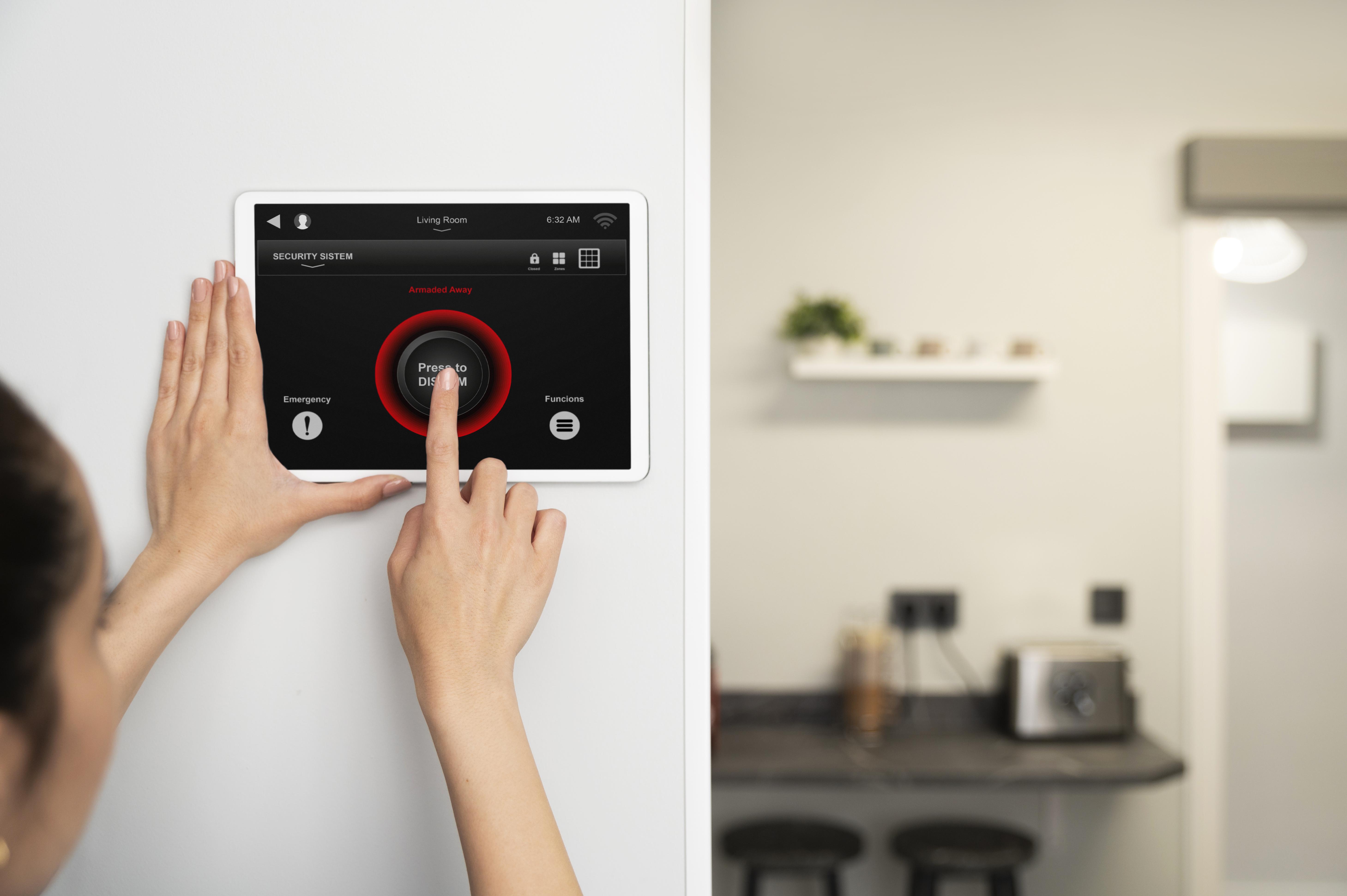
A programmable or smart thermostat can make those adjustments easier to manage. It can automatically change settings while you are asleep or away, so your system is not working as hard when full-time comfort is not needed. For reliable readings, install the thermostat away from direct sun, drafts, and frequently opened exterior doors.
Stay Current on HVAC Filter Changes
Clean airflow is essential to efficient HVAC operation. When an air filter becomes packed with dust and debris, your system must work harder to move air through the home. That added strain can increase energy use and place extra wear on the equipment.
Check your filter monthly and replace it whenever it is dirty or overdue. This straightforward maintenance task supports efficient heating and air conditioning, improves indoor air quality, and may help extend the working life of your system. Regular Las Vegas AC maintenance can also help identify airflow concerns before they turn into larger issues.
Adjust Your Water Heater Temperature
Many households keep their water heater set hotter than necessary. Lowering the setting to approximately 120°F can provide sufficient hot water for showers, dishes, and laundry while reducing the energy required to maintain the tank temperature.
If the water from your faucets feels uncomfortably hot, the setting may be higher than your household needs. A modest adjustment can lower water-heating costs without taking away everyday convenience. If you notice a water heater leak or inconsistent hot water, it is best to have the equipment inspected rather than continuing to operate it inefficiently.
Cut Down on Standby Power Use
Many electronics draw power even when they are switched off. Phone chargers, televisions, cable boxes, gaming systems, and similar devices can continue using small amounts of electricity as long as they remain plugged in. This is commonly called standby or phantom power.
One device may not seem significant, but the combined effect of multiple electronics can add up over time. Unplug items that are not in use, or connect groups of devices to a power strip that can be turned off when needed. This is an easy way to reduce wasted electricity without changing your daily routine dramatically.
Seal Gaps That Let Conditioned Air Escape
Air leaks around windows and doors allow cooled or heated air to leave your home. As a result, your HVAC system may run longer to maintain the temperature you selected, affecting both comfort and utility costs.
Caulk, weatherstripping, and door sweeps are cost-effective ways to close many of these small openings. Insulation around the attic, exposed pipes, and water heater can provide additional protection against heat loss or heat gain. If you are unsure where your home is losing energy, a professional assessment can help pinpoint areas that need attention, including leaky ductwork or airflow concerns.
Use Window Coverings Strategically
Natural light can reduce the need for artificial lighting during the day. On bright, cooler days, opening blinds and curtains can also allow sunlight to add warmth to interior spaces, which may lessen the need for additional heating.
When outdoor temperatures are warmer, close blinds and curtains to block unwanted solar heat. Keeping that heat outside can help your air conditioner maintain indoor comfort with less effort. This small habit is particularly useful for homes that receive strong afternoon sun.
Shift Major Appliance Use When Possible
The timing of household chores can affect overall energy costs. Appliances such as ovens, washers, and dryers use substantial amounts of electricity, especially when many homes in the area are also using power.
When your schedule allows, run these appliances outside common high-demand periods. Moving laundry or cooking tasks to a different part of the day may help manage electricity use without requiring you to purchase new equipment or make costly upgrades.
Choose Efficient Appliances When Replacing Older Models
When an older appliance reaches the end of its service life, energy efficiency should be part of the replacement decision. Appliances that are more than a decade old may use considerably more electricity than newer equipment built to current efficiency standards.
Look for the ENERGY STAR label when comparing refrigerators, washing machines, dryers, and other frequently used appliances. Efficient models can support lower energy consumption over the long term while continuing to provide dependable performance. Depending on the program availability in your area, rebates from a utility provider or state program may help reduce the upfront cost.
Ask About Renewable Energy Programs
Some utility providers offer renewable-energy options that allow homeowners to support electricity generated by sources such as solar, wind, or hydroelectric power. These programs may be available as an addition to an existing utility bill, depending on local offerings.
Choosing a renewable-energy option can be a practical way to support more sustainable energy use without installing solar panels or other equipment at home. Contact your electricity provider to learn whether a program is available for your address.
Build Energy-Saving Habits That Last
You do not need to tackle every efficiency improvement at once. Consistently changing filters, using your thermostat wisely, reducing standby power, and paying attention to air leaks can work together to limit unnecessary energy use over time.
Evolve Air Conditioning and Heating helps homeowners in Las Vegas, Henderson, and Pahrump keep their HVAC systems operating efficiently. Whether you need an AC tune-up, smart thermostat installation, duct services, or help with heating and cooling concerns, our team can recommend practical, repair-first solutions. Call Evolve Air Conditioning and Heating at (702) 825-0006 to schedule service.